
Fuel suppliers play a vital role in modern economies by ensuring that homes, businesses, vehicles, and industrial operations have consistent access to energy. From gasoline and diesel to heating oil, propane, and alternative fuels, these suppliers form a complex network that connects production, storage, transportation, and end users. Understanding how fuel suppliers operate can help consumers make informed decisions, manage costs, and ensure reliability. Whether fuel is delivered to a rural household or distributed across a national retail network, the systems behind it are designed to balance safety, efficiency, and demand. This guide provides a clear overview of fuel suppliers, their main categories, how they are regulated, and what to consider when selecting one for your needs, including how fuel is stored and delivered to a fuel tank at the point of use.
Types of Fuel Suppliers
Fuel suppliers can be broadly grouped based on the type of fuel they provide and the markets they serve. Retail fuel suppliers are the most visible, operating gas stations and convenience stores that sell gasoline and diesel directly to consumers. These suppliers focus on accessibility, pricing strategies, and branding to attract drivers and fleet customers.
Wholesale fuel suppliers operate further up the supply chain. They purchase fuel in large volumes from refineries or import terminals and sell it to retailers, commercial clients, or institutional buyers. Their customers may include transportation companies, agricultural operations, construction firms, and municipalities that require bulk deliveries to a central fuel tank for ongoing operations.
Another important category is residential and commercial heating fuel suppliers. These companies deliver heating oil, propane, or natural gas substitutes to homes and businesses, often under scheduled delivery plans or on-demand orders. In recent years, alternative and renewable fuel suppliers have also expanded, offering biofuels, renewable diesel, and blended products that aim to reduce environmental impact while maintaining compatibility with existing equipment.
How Fuel Suppliers Operate and Are Regulated
The operations of fuel suppliers involve a coordinated process of sourcing, storage, transportation, and distribution. Fuel is typically refined or processed at specialized facilities, then moved through pipelines, ships, railcars, or tanker trucks to regional terminals. From there, suppliers distribute it to retail locations or directly to customers. Each step requires careful handling to maintain quality and prevent contamination.
Regulation plays a critical role in fuel supply operations. Government agencies set standards for fuel composition, environmental protection, transportation safety, and storage requirements. These regulations help ensure that fuel delivered to a fuel tank meets performance specifications and does not pose unnecessary risks. Suppliers must also comply with measurement and pricing laws that protect consumers from inaccurate billing or unfair practices.
In addition to safety and quality regulations, many regions impose reporting requirements and emergency preparedness standards. Fuel suppliers are often required to maintain contingency plans for supply disruptions caused by extreme weather, infrastructure failures, or geopolitical events. These measures help stabilize markets and ensure continuity of service during periods of high demand or uncertainty.
Choosing the Right Fuel Supplier
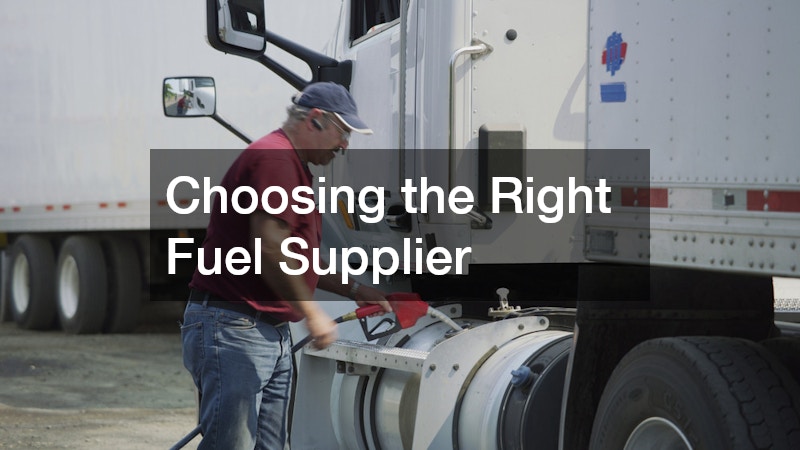
Selecting a fuel supplier involves more than comparing prices. Reliability is one of the most important factors, particularly for businesses or households that depend on uninterrupted fuel access. A dependable supplier should have a proven delivery track record, clear communication practices, and the capacity to respond quickly to urgent needs, such as replenishing a fuel tank during peak usage periods.
Service options and contract terms also deserve careful review. Some suppliers offer fixed-price contracts, budget plans, or automatic delivery programs that help customers manage expenses and avoid unexpected shortages. Others may specialize in flexible, on-demand delivery that suits variable consumption patterns. Understanding these options can help align fuel supply arrangements with financial and operational priorities.
Finally, customer support and transparency matter. Reputable fuel suppliers provide clear invoices, accessible customer service, and guidance on safe fuel storage and usage. Many also invest in sustainability initiatives, offering cleaner fuel options or efficiency advice. By evaluating reliability, service offerings, and long-term value, consumers can choose a supplier that meets both immediate needs and future expectations, ensuring that fuel delivered to a fuel tank supports safe, efficient, and dependable energy use.