
Owning a car is more than just a means of transportation; it is a gateway to freedom and adventure! But what happens when that trusty vehicle starts to sputter or break down? Basic car servicing and maintenance can save you time, money, and stress. Regular check-ups keep your car running smoothly and extend its lifespan, ensuring it is always ready for your next journey.
Why should you bother with servicing and maintenance? For one, it helps prevent minor issues from turning into major, costly repairs. Also, understanding car care basics can boost your confidence as a driver. Knowing how to check the oil, change a tire, or replace a battery is empowering. In short, a little knowledge goes a long way in keeping your car and your wallet in good shape!
Keep Your Muffler Quiet and Your Engine Running Smooth
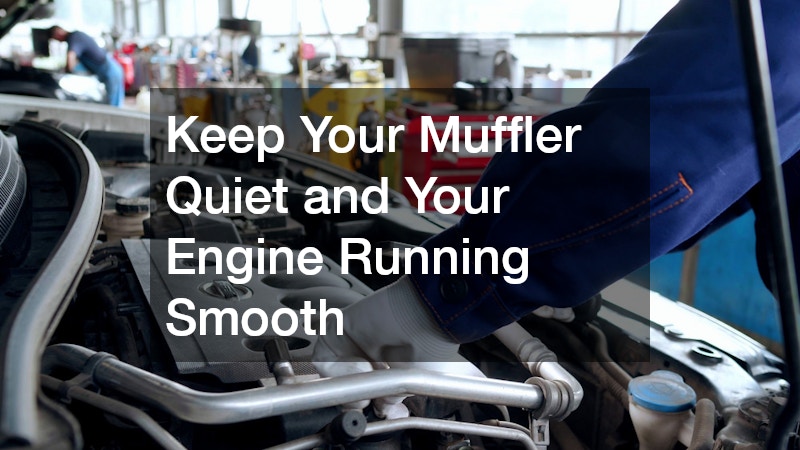
Have you ever heard a car roaring like a lion? That noise often comes from a faulty car muffler. Keeping your muffler in good condition is key for reducing noise and helping your engine run efficiently. Regular servicing and maintenance can prevent small issues from becoming big, costly problems.
A well-maintained car muffler also protects you from hazards:
- Prevent exhaust leaks: Damaged mufflers can let harmful gases into your car cabin, which can be dangerous.
- Catch problems early: Unusual noises or visible rust are signs it’s time for an inspection.
In addition, a healthy muffler helps save money on fuel:
- Better fuel efficiency: A smooth-running exhaust system reduces strain on your engine, so it doesn’t have to work as hard.
- Longer engine life: Proper muffler care keeps your engine performing at its best for years.
Next time you schedule car servicing, don’t forget to check the car muffler. A little care goes a long way toward a quieter ride, safer cabin, and a healthier engine!
Locked Out? How to Handle a Car Lockout
Getting locked out of your car is a frustrating situation that can happen to anyone, often at the most inconvenient times. Knowing how to handle car lockouts is an essential skill for every car owner, helping you stay calm and get back on the road quickly.
The first step is to remain calm. Panicking can make it harder to think clearly and might lead to accidental damage to your vehicle. Once you’ve taken a deep breath, check all the doors to see if any are unlocked. Sometimes, the solution is as simple as an unlocked door you didn’t notice.
If you can’t get in on your own, calling a professional locksmith is the safest option. Locksmiths have the right tools and experience to unlock your car without causing damage. Keep the contact information of a reliable locksmith in your phone or glove compartment so you’re prepared for emergencies.
Being proactive is also important for preventing long waits during car lockouts:
- Spare keys: Keep a spare key with a trusted friend or family member.
- Hidden key holders: Use a magnetic key holder to safely store a backup key on your vehicle.
- Smart devices: Some cars now offer keyless entry apps that allow you to unlock your car remotely—consider setting this up if your vehicle supports it.
Regular maintenance and planning can also reduce the risk of lockout problems. Check your car locks and key fobs regularly to ensure they’re working properly, and replace worn or damaged keys before they fail.
Ultimately, handling car lockouts is all about preparation and calm thinking. By keeping a spare key, having a trusted locksmith’s contact, and ensuring your locks are in good condition, you can minimize downtime and avoid unnecessary stress. With a few simple steps, you’ll always be ready to get back on the road safely and quickly.
Dead Battery? How to Jump-Start Your Car

A dead car battery can ruin your day, but knowing how to handle it—whether on your own or with professional jump start services—can get you back on the road quickly. Being prepared for this common issue is an important part of responsible car ownership.
If you’re jump-starting your car yourself, here’s what you’ll need and how to do it safely:
- Jumper cables: Make sure they are in good condition and long enough to reach both vehicles.
- Another vehicle with a charged battery: This will provide the power needed to start your car.
- Connection steps:
- Attach the red cable to the positive terminal of your dead battery and the positive terminal of the charged battery.
- Connect the black cable to the negative terminal of the charged battery and a metal surface on your car.
- Start the working car, then try to start your car.
Hearing your engine roar back to life is always a relief! However, repeated dead batteries may indicate a bigger problem. Regular servicing and maintenance help prevent these issues:
- Check battery health: Ensure it’s charged and holding power properly.
- Clean connections: Corrosion on terminals can prevent proper functioning.
- Professional jump start services: If your battery frequently dies, consider contacting a reliable service or replacing the battery.
Staying proactive with battery care and using trusted jump start services when needed keeps your car reliable, saves time, and prevents unexpected hassles on the road. Being prepared today ensures smoother, stress-free drives tomorrow.
Why Regular Maintenance Keeps Your Car Safe and Insured
Keeping your car in good condition isn’t just about smooth driving—it’s also key to staying safe on the road and ensuring your car insurance remains valid. Regular servicing and maintenance help your vehicle meet insurance requirements and stay reliable for every journey.
Insurance companies often require proof of maintenance to approve claims. Neglecting your car could lead to:
- Denied claims: Your car insurance may not cover an accident if your car wasn’t properly maintained.
- Higher premiums: Insurers may charge more if your vehicle shows signs of neglect.
- Unexpected headaches: Keeping detailed service records helps prevent disputes and saves time.
A well-maintained car is also less likely to break down and more likely to pass safety inspections. This gives you peace of mind, knowing your vehicle is safe for you and your passengers. Regular maintenance contributes to:
- Longer car life: Proper care reduces wear and tear, keeping your car running longer.
- Fewer accidents: Well-maintained brakes, lights, and tires improve road safety.
- Better resale value: A car with documented maintenance is more attractive to buyers.
In the long run, staying on top of your car’s servicing protects your wallet, keeps your car insurance valid, and ensures every drive is safer and more enjoyable. Maintaining your car isn’t just smart—it’s essential.
Stay Safe on the Road with Simple Car Checks
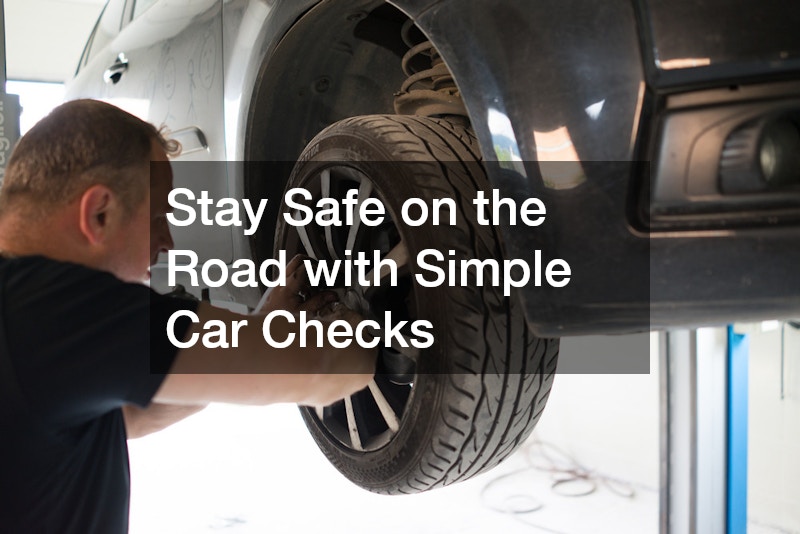
Every time you hit the road, safety should be your top priority. Regular servicing and maintenance are essential to keep your car in top condition, reducing the risk of unexpected breakdowns. A well-maintained car is not only more reliable but also safer to drive.
Before every journey, take a few simple steps to check your vehicle:
- Brakes: Ensure they are responsive and in good condition.
- Tires: Check air pressure, tread depth, and look for signs of wear.
- Lights: Test headlights, brake lights, and indicators—especially important for night driving.
- Wipers and fluids: Keep windshield wipers, washer fluid, and other essential fluids topped up for clear visibility.
Even with all precautions, accidents can happen. Knowing what to do afterward is just as important. Keeping contact information for a car accident lawyer in your glove compartment is a smart move. They can guide you through the legal process, help with insurance claims, and ensure you get the support you need.
By staying proactive with car checks and keeping a car accident lawyer’s contact handy, you can drive with confidence, knowing you’re prepared for both prevention and protection on the road.
Keep a Service Record to Protect Your Car and Wallet
Keeping a detailed service record may seem tedious, but it’s incredibly valuable. This record of your car’s servicing and maintenance history acts like a report card, showing that your vehicle has been well cared for. It can also be a lifesaver when dealing with car accident law and insurance claims.
Having a thorough service record helps in several ways:
- Prove regular maintenance: Documentation shows that your car has been properly maintained, which is important if a claim arises.
- Support legal cases: Clear records can help lawyers and insurers navigate car accident law more efficiently, saving time and stress.
- Increase resale value: Buyers trust a car with a well-documented maintenance history, knowing it has been cared for.
Keeping receipts, logs, and records may take a little effort, but it can pay off big in the long run. A well-maintained and well-documented car is safer, retains its value, and ensures you’re prepared if you ever need to deal with car accident law or insurance disputes.
Simple Car Detailing to Keep Your Car Looking New
Who doesn’t love a shiny, clean car? Keeping your vehicle looking its best goes beyond regular servicing and maintenance. Car detailing is a simple but powerful way to maintain that new car feel, both inside and out. It’s not just for special occasions—regular detailing protects your car, enhances its appearance, and can even extend its lifespan.
Car detailing involves thoroughly cleaning and caring for every part of your car, including:
- Exterior care: Wash and wax your car to protect the paint, reduce scratches, and add a glossy finish. Clean the wheels, tires, mirrors, and windows until they sparkle.
- Interior care: Vacuum seats and carpets, wipe down the dashboard, center console, and door panels. Don’t forget the windows and vents to keep the cabin fresh and clean.
- Small details: Pay attention to cup holders, seams, and hard-to-reach areas where dust and grime can build up.
Regular car detailing doesn’t just make your car look good—it helps preserve its value. A clean, well-cared-for car signals to potential buyers that it’s been maintained properly, making it easier to sell in the future. Additionally, detailing can help prevent long-term damage: wax protects the paint from fading, and cleaning the interior prevents stains and wear on upholstery.
By scheduling a car detailing session every few months, you complement your routine maintenance and keep your car looking and feeling like new. It’s a small investment of time and effort that pays off with a fresher, safer, and more valuable vehicle.
Regular Maintenance Helps Avoid Costly Repairs
Ever wonder how some cars stay reliable for years while others seem to fall apart quickly? Regular servicing and maintenance are the key to preventing costly issues and keeping your car in top condition. Think of it as giving your car a regular health check-up—catching small problems early ensures everything runs smoothly and safely.
Some essential maintenance tasks include:
- Oil changes: Keep your engine lubricated and prevent costly damage.
- Brake inspections: Ensure your brakes are responsive and safe.
- Tire rotations: Extend tire life and improve vehicle handling.
By addressing minor issues early—like small leaks, worn-out belts, or loose parts—you can avoid bigger problems down the line. Isn’t fixing a minor leak better than replacing an entire engine?
Maintaining your car’s exterior and interior is just as important. Regular washing and waxing protect the paint from rust, corrosion, and sun damage. Cleaning the interior prevents wear and tear on seats, carpets, and dashboards. These simple steps reduce the likelihood of needing car body repair, saving you time, money, and stress.
- Protect your paint: Waxing and washing prevent scratches and fading.
- Prevent rust: Timely cleaning keeps metal parts safe from corrosion.
- Maintain resale value: A clean, well-kept car looks attractive to buyers.
All these efforts in regular servicing and care add up, ensuring your car remains reliable, safe, and visually appealing for years. Consistent maintenance today means fewer trips to a car body repair shop tomorrow and a longer-lasting, better-performing vehicle.
Use a Carport to Protect and Extend Your Car’s Life
Have you ever thought about how much a simple structure could save you in the long run? Carports are an excellent investment for extending your car’s lifespan. They provide a cost-effective way to shield your vehicle from harsh weather, reducing wear and tear and keeping it looking and running like new.
Carports protect your car from a variety of environmental hazards:
- Sun exposure: Constant sunlight can fade your car’s paint and cause the interior materials to crack or warp.
- Rain and snow: Moisture can lead to rust, corrosion, and damage to both the exterior and undercarriage.
- Debris and dirt: Leaves, branches, and dust can scratch the paint or clog important parts of your car over time.
By parking under a carport, you minimize these risks, protecting both your vehicle’s appearance and its mechanical components. Regular use of a carport can also help maintain your car’s resale value. A car that’s shielded from the elements looks newer for longer and is more appealing to potential buyers.
In addition to preserving your car, Carports complement your regular servicing and maintenance efforts. They reduce the need for frequent exterior repairs and detailing, saving you time and money. Installing a carport at home is a small investment that pays off with big benefits—keeping your car safe, reliable, and looking its best for years to come.
Keep Your Engine Strong with a Clean Fuel System
Does your car feel sluggish or unresponsive? A clean fuel system is essential for maintaining strong engine performance. Regular servicing and maintenance, including fuel injection cleaning, ensures that your engine runs efficiently and smoothly.
Over time, dirt, debris, and carbon deposits can build up in your fuel system, especially in the injectors. This can cause several problems:
- Clogged fuel injectors: Reduces the flow of fuel to your engine, leading to poor acceleration and performance.
- Lower fuel efficiency: Your engine has to work harder, increasing fuel consumption.
- Rough idling or misfires: Dirty injectors can cause inconsistent engine performance and potential damage.
Keeping your fuel injection system clean ensures the right mixture of fuel and air reaches your engine. This results in better performance, smoother rides, and lower fuel costs. You’ll notice your car responds faster, runs quieter, and feels more powerful overall.
In addition, maintaining a clean fuel system helps prevent costly repairs. Ignoring dirty injectors can lead to misfires, engine stalling, and expensive fixes. Regular maintenance, including professional fuel injection cleaning, protects your engine, prolongs its lifespan, and keeps your car running reliably.
By including fuel system checks and fuel injection cleaning in your routine servicing, you can enjoy a smoother, more efficient, and trouble-free driving experience for years to come.
Conclusion
Regular servicing and maintenance of your car are crucial for ensuring its longevity and performance. From maintaining a clean fuel system to protecting your vehicle with carports, these small yet significant steps can prevent costly repairs and keep your car running smoothly. Understanding the importance of these practices saves you money and enhances your driving experience. Whether it’s detailing your car to keep it looking its best or knowing how to jump-start a dead battery, being proactive with your car’s care pays off in the long run. Stay diligent with your car’s maintenance, and you’ll enjoy a safer, more reliable, and efficient ride for years.