For many vehicle enthusiasts, owning a car or specialty vehicle isn’t just about transportation—it’s about the experience. Road readiness is not just about turning the key and hitting the road; it’s about ensuring your vehicles perform safely, look great, and are prepared for unexpected situations. Vehicles that are not properly maintained can leave owners stranded or facing costly repairs, undermining the joy of ownership. Enthusiasts understand that true vehicle care involves a combination of preventive maintenance, attention to detail, and smart use of professional services.
Being road-ready goes beyond routine oil changes or tire rotations. It encompasses appearance, mechanical health, and emergency preparedness. It also requires an understanding of your vehicle’s specific needs, whether it’s a classic car, a modern sports car, or a recreational vehicle. With proper planning and a proactive approach, enthusiasts can avoid common pitfalls, extend the life of their vehicles, and ensure that every outing—whether daily driving or weekend leisure—is safe and enjoyable. In this guide, we’ll explore actionable tips, professional services, and maintenance strategies designed to keep every enthusiast vehicle, from cars to specialty carts, road-ready year-round.
Expanding Your Definition of an Enthusiast Vehicle

When people think of enthusiast vehicles, they often picture classic cars or high-performance sports cars. However, the landscape of automotive enthusiasm has expanded dramatically. Today, many enthusiasts are investing in recreational and specialty vehicles such as golf carts, electric vehicles, and custom utility vehicles. Each comes with unique requirements, and treating these vehicles with the same care as a traditional enthusiast car is essential to maintaining performance and longevity.
New golf carts have come a long way from their traditional counterparts. Modern models offer advanced battery systems, enhanced suspension, and customizable aesthetics. Owners must approach these vehicles with the same attention to maintenance and care as any high-performance car. This includes monitoring electrical systems, checking tire health, and scheduling regular inspections to ensure optimal performance. Understanding the differences between traditional cars and specialty vehicles is crucial for enthusiasts who want to maximize the enjoyment of every type of vehicle.
Tips for treating specialty vehicles like full-fledged enthusiast investments:
- Create a maintenance log to track inspections, battery changes, and upgrades.
- Store vehicles in a covered area to prevent sun and moisture damage.
- Research manufacturer recommendations for preventive care.
- Consider seasonal usage patterns and how they affect storage, battery life, and tire maintenance.
Expanding your definition of what qualifies as an enthusiast vehicle allows you to enjoy a broader range of experiences while applying best practices for maintenance and care. Being inclusive of different vehicle types also encourages owners to develop a holistic approach to ownership that prioritizes performance, safety, and longevity across the board.
Planning Customization Without Compromising Reliability
Customization is a hallmark of the enthusiast experience. Modifying your vehicle can enhance aesthetics, performance, or comfort, but it’s essential to understand the impact of every upgrade. Not all modifications are equal in terms of reliability, and haphazard changes can compromise performance, safety, or future repair options.
For example, custom golf cart owners often add lighting, upgraded tires, or audio systems. While these enhancements improve the experience, they can also affect battery life, electrical load, and overall safety if not installed properly. Planning customization thoughtfully helps prevent unintended consequences that could compromise road readiness. Proper planning ensures the modifications enhance the vehicle without undermining its mechanical integrity.
Actionable tips for safe and effective customization:
- Consult with professionals for modifications affecting electrical or mechanical systems.
- Keep a detailed record of all upgrades and installations.
- Prioritize changes that improve performance and safety over purely cosmetic modifications.
- Research aftermarket components for quality and compatibility to avoid voiding warranties or causing long-term issues.
By approaching customization strategically, enthusiasts can enjoy a personalized vehicle without sacrificing reliability or performance. Customization should be seen as a way to enhance both aesthetics and usability, rather than a compromise between form and function.
Staying Ahead of Power and Performance Issues
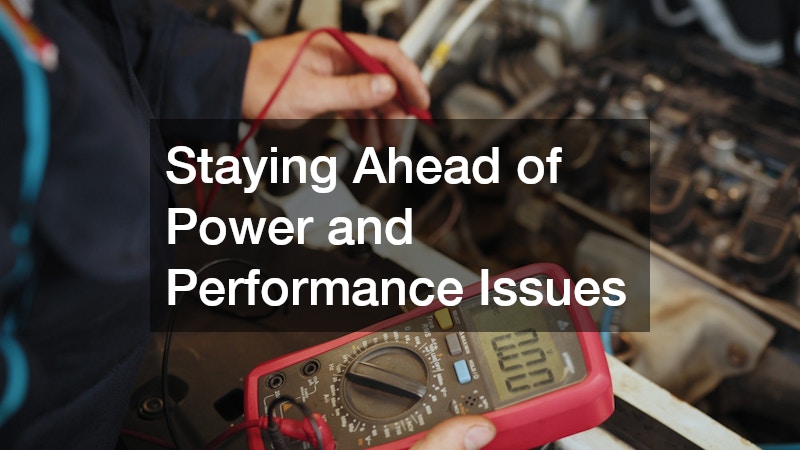
Battery health is critical for both traditional and specialty vehicles. A failing battery can lead to unexpected downtime and expensive repairs. Enthusiasts who wait until a battery fails risk being stranded and facing additional damage to electrical systems. Regular attention to battery health ensures consistent performance, longevity, and reliability.
Routine golf cart battery replacement ensures your vehicle operates efficiently and reliably. Signs that it may be time for a replacement include slower acceleration, shorter travel distances, or difficulty holding a charge. Ignoring these warning signs can shorten the overall lifespan of the cart and cause additional strain on other components, such as the motor or charging system. Maintaining batteries properly ensures your vehicle is always ready for use and helps prevent costly emergencies.
Tips for managing battery health:
- Inspect batteries regularly for corrosion or leaks and clean terminals as needed.
- Follow manufacturer recommendations for charging cycles and avoid overcharging.
- Consider seasonal storage procedures to prevent deep discharge during inactivity.
- Keep spare or backup batteries if you use your vehicles frequently or for long trips.
Proactive attention to power and performance issues allows enthusiasts to avoid unexpected breakdowns and maintain confidence in their vehicle’s readiness. Regular inspections and preventive measures can extend the life of the vehicle’s power system significantly.
Protecting Your Vehicle’s Finish With the Right Cleaning Habits
A clean vehicle isn’t just about looks; it’s about preserving the materials and finishes that contribute to long-term value. Hand car wash techniques are superior to automated washes, which can leave scratches or wear down paint over time. Proper washing practices extend the life of the exterior, protect trim, and maintain the quality of the finishes on custom or high-end vehicles.
Using gentle washing methods also allows enthusiasts to spot minor issues early, such as paint chips, scratches, or rust spots, which can then be addressed before they worsen. Proper cleaning is a form of preventive maintenance that protects both aesthetics and the underlying materials, helping maintain a vehicle’s value and visual appeal.
Step-by-step hand washing tips:
- Rinse the vehicle to remove loose dirt before scrubbing to prevent scratches.
- Use separate cloths or mitts for wheels and body to avoid contamination.
- Dry with a microfiber towel to prevent water spots and streaking.
- Apply wax or protective coatings periodically to maintain shine and safeguard the paint.
Regular cleaning not only keeps your vehicle looking its best but also allows for a proactive approach to maintenance, ensuring that small problems are addressed before they become costly repairs.
Preserving Appearance and Value Through Professional Care
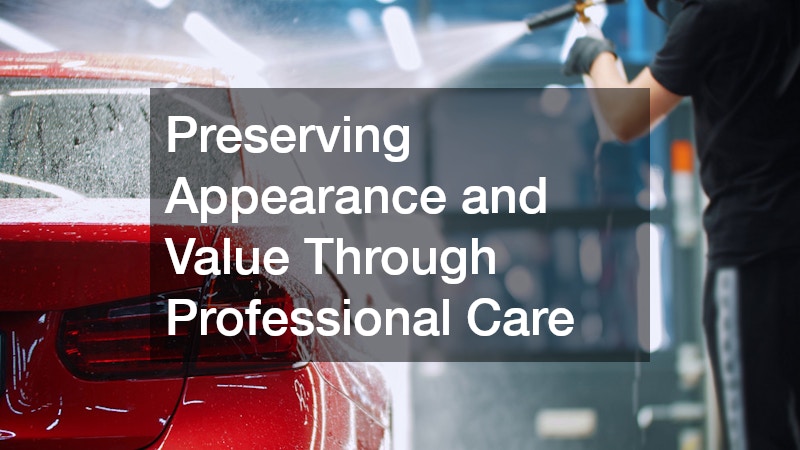
While washing is essential, professional car detailing services take vehicle care to the next level. Detailing goes beyond surface cleaning, providing deep interior care, paint protection, and restoration of minor imperfections. Detailing not only maintains aesthetics but also helps prevent long-term wear and deterioration.
Scheduling regular detailing services preserves your vehicle’s appearance, protects materials from environmental damage, and keeps interiors in top condition. This is especially important for enthusiasts who frequently display their vehicles or use them in varied climates. Detailing also provides a chance for professionals to spot early signs of mechanical or cosmetic issues that might go unnoticed.
Scheduling tips for detailing:
- Detail at least twice a year, or more frequently for vehicles that see heavy use.
- Combine detailing with inspections to catch minor issues before they worsen.
- Choose services experienced in specialty vehicles to ensure proper care and handling.
- Consider protective coatings, such as ceramic coatings, to extend the life of paint and trim.
Investing in professional detailing services helps enthusiasts preserve value, maintain vehicle pride, and protect their investment from the effects of time and usage.
Preparing for the Unexpected When You’re Away From Home
Even the most well-maintained vehicle can experience issues on the road. A reliable local towing service is essential for enthusiasts who want to ensure safety and convenience during unexpected breakdowns. Being prepared with a pre-vetted towing provider reduces stress and prevents additional damage.
Having a reliable local service provider is especially important for specialty vehicles that require careful handling during transport. Knowledgeable towing operators understand how to safely load, transport, and protect high-value vehicles, including performance cars and customized recreational vehicles. Planning ahead prevents a minor issue from becoming a major headache.
Tips for selecting a local towing service:
- Verify certifications, insurance coverage, and experience handling specialty vehicles.
- Confirm the ability to accommodate high-performance, exotic, or oversized vehicles.
- Keep contact information readily available, both in the vehicle and digitally.
- Review customer feedback and service records to ensure reliability and responsiveness.
Preparation with a reputable towing provider ensures that enthusiasts are always ready for the unexpected, maintaining both vehicle safety and personal peace of mind.
What to Do When a Breakdown Happens Without Warning
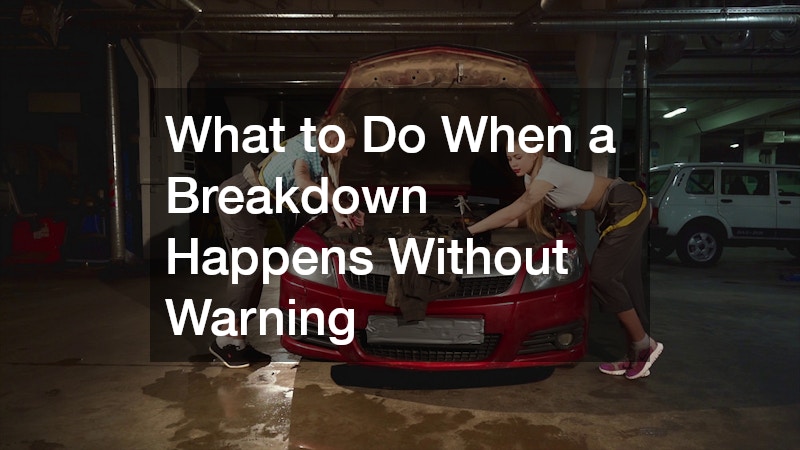
Even with preventive measures, emergencies can happen. Emergency towing services provide critical support in situations where immediate assistance is required. Knowing what to do during a breakdown prevents further damage and ensures personal safety.
Being prepared involves understanding the correct steps to protect both yourself and your vehicle until help arrives. Prompt and calm action can minimize downtime and reduce the risk of costly damage during transit. This is particularly crucial for high-performance or specialty vehicles that require specialized handling.
Key steps to take when a breakdown occurs:
- Move the vehicle to a safe location away from traffic if possible.
- Activate hazard lights and use safety cones or flares if available.
- Contact emergency towing services, providing details about vehicle type, condition, and any modifications.
- Keep emergency supplies on hand, including reflective triangles, flashlights, and first-aid items.
By preparing for breakdowns, enthusiasts ensure that they can respond efficiently, protecting both the vehicle and everyone involved until professional assistance arrives.
Protecting Custom Paint and Graphics Long-Term
Vehicle wraps offer enthusiasts a way to personalize their vehicle while protecting the underlying paint. Wraps shield surfaces from minor scratches, UV damage, and environmental contaminants, all while allowing for a wide range of aesthetic customization.
Proper maintenance of a vehicle wrap ensures its longevity and preserves its visual impact. Regular cleaning, careful handling, and professional touch-ups prevent peeling or fading, keeping the wrap looking fresh and vibrant for years. Vehicle wraps are both functional and expressive, offering an additional layer of protection for invested enthusiasts.
Wrap care tips:
- Wash regularly with gentle soaps and soft cloths.
- Avoid high-pressure sprays directly on edges and seams.
- Schedule professional inspections and touch-ups for damaged or lifting areas.
- Park in shaded areas when possible to reduce UV exposure and fading.
A well-maintained wrap protects both style and paint, extending the life of your customization investment while keeping your vehicle road-ready.
Knowing When Structural or Cosmetic Damage Requires Professional Help
Accidents, minor collisions, or wear and tear can result in damage that requires professional attention. Understanding when to visit an auto body shop is critical to maintaining structural integrity, safety, and resale value.
DIY fixes may seem convenient but can often compromise long-term safety or aesthetics. Auto body shops provide the expertise, equipment, and precision needed to repair damage to factory standards. They also offer assessments that detect hidden issues like frame misalignment, corrosion, or suspension damage.
Tips for assessing damage:
- Determine whether repairs involve safety-critical areas, such as the frame, suspension, or brakes.
- Document damage for insurance purposes and maintain repair records.
- Choose shops with experience handling your vehicle type, particularly for custom or high-performance vehicles.
- Seek multiple estimates to ensure quality work at a fair price.
Relying on professional auto body services preserves both safety and visual appeal, ensuring that your vehicle remains road-ready and maintains its value over time.
Specialized Maintenance for Imported and Performance Vehicles
Foreign auto repairs often require specialized knowledge, tools, and parts. Imported and high-performance vehicles typically have unique components, which makes proper maintenance essential. Taking shortcuts or using general repair shops can result in errors, costly repairs, or voided warranties.
Specialized maintenance tailored to imported vehicles preserves performance, prevents unexpected issues, and maximizes longevity. Certified technicians are trained to identify manufacturer-specific problems and address them with the correct procedures and parts. Proactive maintenance also allows enthusiasts to spot minor issues before they become significant problems, ensuring road readiness at all times.
Maintenance strategies for imported vehicles:
- Use OEM parts to ensure compatibility and reliability.
- Keep detailed service records for warranty, resale, and maintenance purposes.
- Schedule inspections more frequently if the vehicle is high-performance or driven in challenging conditions.
- Work with mechanics familiar with your vehicle’s make and model to prevent costly mistakes.
Keeping enthusiast vehicles road-ready goes beyond routine maintenance. It requires a proactive mindset, attention to detail, and a willingness to invest in professional support. Whether you drive a classic car, a high-performance import, or a custom recreational vehicle, being prepared for every scenario ensures safety, reliability, and enjoyment.