Highlights:
A dead car battery always seems to happen at the worst possible moment—right before work, in a parking lot, or when you’re already running late. The good news is that jump starting a car is a straightforward skill that anyone can learn. The better news is that doing it safely isn’t complicated either—as long as you follow the right steps.
This guide walks you through everything you need to know, from the basics to troubleshooting and safety precautions. Whether you’re a first-time driver or someone who just wants to be more self-reliant, you’ll find this guide practical, clear, and easy to follow.
What Does It Mean to Jump Start a Car?
Jump starting a car means using an external power source to temporarily recharge a dead or weak battery so the engine can start. Once the engine is running, the car’s alternator takes over and begins recharging the battery. This process usually involves:
- A second vehicle with a working battery
- Jumper cables
- Or a portable jump starter
The key idea is simple: you’re borrowing power from another source to get your engine going.
Why Do Car Batteries Die in the First Place?

Before jumping into the actual process, it helps to understand why car batteries fail in the first place. A jump start is only a temporary fix, and if you don’t know what caused the problem, you might end up stuck again sooner than you expect. Most battery failures aren’t random—they’re usually tied to a handful of predictable issues.
Leaving Headlights or Interior Lights On
One of the most common reasons a car battery dies is simple human error. Leaving headlights, interior lights, or even the trunk light on overnight can drain the battery completely.
Modern cars often have warning systems, but not all vehicles will alert you in time. Older models are especially vulnerable because they rely entirely on the driver remembering to switch everything off.
Even small electrical loads add up over several hours. A fully charged battery can be drained enough overnight to prevent the engine from turning over in the morning.
A Weak or Aging Battery
Car batteries don’t last forever. On average, most batteries last between 3 to 5 years, depending on usage, climate, and maintenance habits.
As a battery ages:
- It holds less charge
- It becomes less efficient at delivering power
- It struggles more in extreme temperatures
- It may fail suddenly without warning
This is why many drivers experience unexpected breakdowns with no obvious cause—the battery was already nearing the end of its lifespan.
If your car is slow to start in the mornings or needs frequent jump starts, the battery itself may be the issue rather than anything you did wrong.
Cold Weather Reducing Battery Efficiency
Cold weather is tough on car batteries. Low temperatures slow down the chemical reactions inside the battery, which reduces its ability to generate power.
In colder climates or during early morning winter starts:
- The engine requires more power to turn over
- The battery produces less current
- Oil becomes thicker, increasing resistance
This combination makes it much harder for the car to start. Even a healthy battery can struggle in freezing conditions, especially if it’s not fully charged.
Faulty Alternator or Charging System
The alternator is responsible for recharging your battery while the engine is running. If it isn’t working properly, the battery won’t recharge as you drive.
Over time, this leads to:
- A slowly draining battery
- Dimming headlights while driving
- Electrical issues inside the car
- Eventually, a complete breakdown
A bad alternator is often mistaken for a dead battery because the symptoms look similar. However, no amount of jump starting will fix the issue if the charging system itself is failing.
Loose or Corroded Battery Connections
Sometimes the problem isn’t the battery itself, but the connection between the battery and the car.
Loose or corroded terminals can prevent proper power flow. This can cause:
- Intermittent starting issues
- Clicking sounds when turning the key
- Sudden power loss
- Difficulty holding a charge
Corrosion often appears as a white, bluish, or greenish buildup around the battery terminals. Even a small amount can interfere with performance.
Cleaning and tightening the connections can sometimes solve the problem without needing a jump start or replacement.
What Tools Do You Need Before Getting Started?
You don’t need much, but having the right equipment is critical.
Essential Items:
- Jumper cables (good quality, not too thin)
- A working vehicle or a portable jump starter
Optional but Helpful:
- Gloves for protection
- Safety glasses
- A flashlight (especially at night)
Keeping these in your car can make a stressful situation much easier to handle.
How Do You Safely Prepare Before Connecting Anything?
Safety starts long before you touch the jumper cables. Most mistakes happen when people rush straight into connecting everything without setting the scene properly. Taking a few extra minutes here can prevent sparks, damage, or even injury.
Before doing anything else, make sure both vehicles are ready and safe to work around.
Start with basic vehicle positioning and shutdown:
- Park both cars close enough for the cables to reach
- Make sure the vehicles are not touching each other
- Turn off both engines completely
- Shift both cars into park (or neutral if manual)
- Engage the parking brakes
Once the vehicles are secured, it’s important to eliminate any unnecessary electrical load.
Turn off all electronics inside both cars:
- Headlights and interior lights
- Radio or infotainment system
- Air conditioning or heater
- Phone chargers or accessories
After everything is powered down, open the hood and locate the batteries in both vehicles. Make sure the area is well-lit and stable before continuing.
Where Are the Battery Terminals and How Do You Identify Them?
Every car battery has two terminals, and correctly identifying them is essential before you connect anything. Mixing them up can cause serious electrical issues.
The two terminals are:
- Positive terminal (+), usually marked with a red cover or red symbol
- Negative terminal (−), usually marked in black
These markings are usually easy to spot, but dirt or corrosion can sometimes make them harder to see.
If the markings are unclear, look for these clues:
- The positive terminal often has a red plastic cap or thicker cable
- The negative terminal is usually connected to the car’s metal chassis or frame
- The positive side may have a “+” engraved near the post
Make sure both terminals are clearly identified on both vehicles before moving forward. Guessing here is not worth the risk.
What Is the Correct Order for Connecting Jumper Cables?
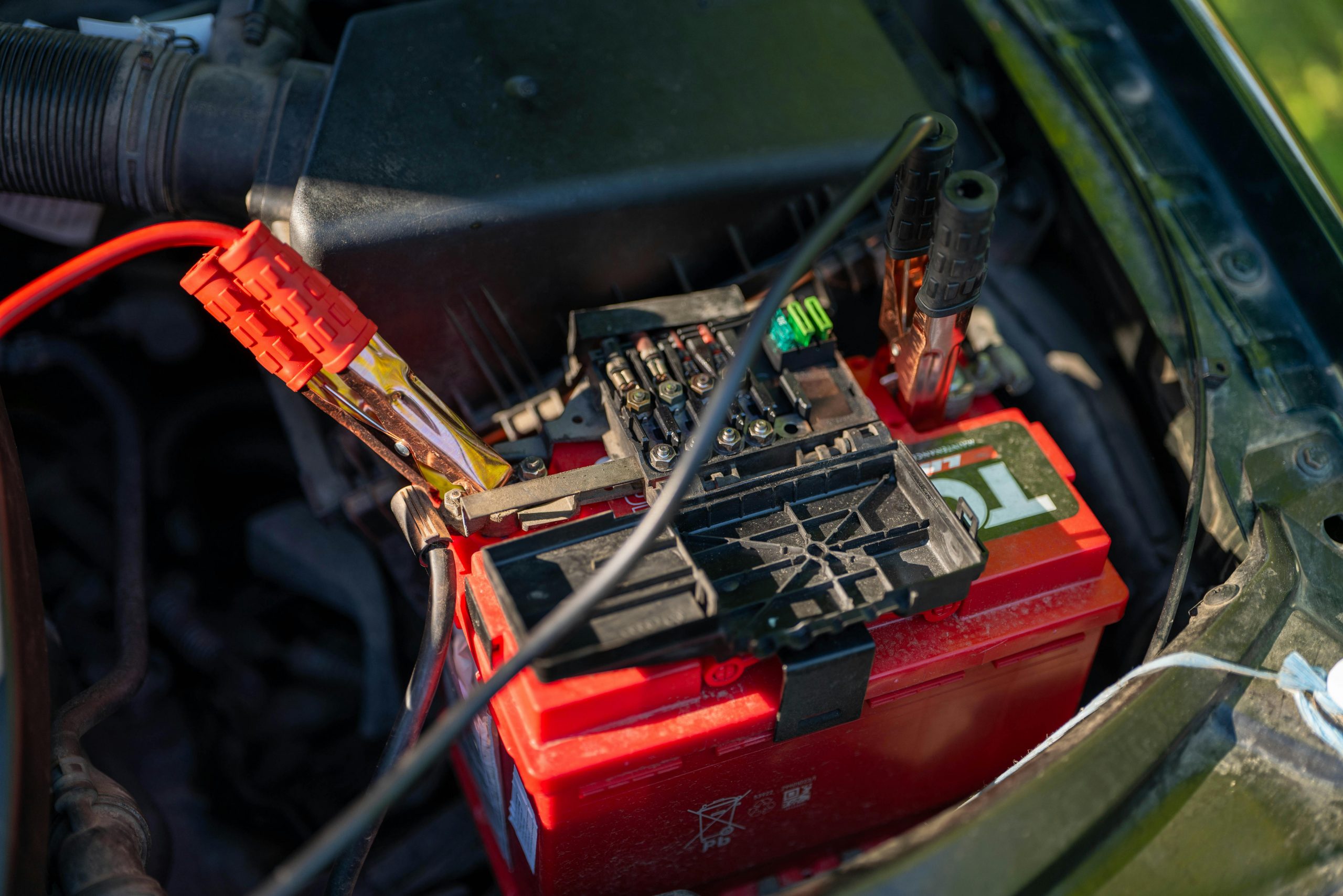
This step is where most people make mistakes, so attention to detail is critical. Connecting cables in the wrong order can create sparks or damage sensitive electronics.
Follow this sequence carefully and do not skip steps.
Proper connection order:
- Attach one red clamp to the positive terminal of the dead battery
- Attach the other red clamp to the positive terminal of the working battery
- Attach one black clamp to the negative terminal of the working battery
- Attach the final black clamp to an unpainted metal surface on the dead car (not the battery)
That last step is especially important because it grounds the circuit safely away from the battery itself.
Why Shouldn’t You Connect the Last Cable Directly to the Dead Battery?
It might seem easier to attach the final clamp directly to the battery, but this is one of the most dangerous shortcuts people take.
Car batteries can release hydrogen gas, especially when they’re weak, old, or being charged. This gas is highly flammable.
Here’s why the safer method matters:
- Hydrogen gas can build up around the battery
- A small spark can ignite the gas
- Battery explosions, though rare, are extremely dangerous
- Electrical surges are more likely near the battery itself
Instead, grounding the final connection on a metal surface keeps sparks away from the battery and significantly reduces risk.
How Do You Start the Car After Connecting the Cables?
Once everything is connected properly, the actual starting process is simple—but still needs patience.
Follow this starting sequence:
- Start the vehicle with the working battery first
- Let it run for 2–3 minutes to build a charge
- Attempt to start the car with the dead battery
If the car doesn’t start immediately, don’t panic.
If it fails on the first try:
- Wait another 1–2 minutes
- Try again without disconnecting anything
- Avoid repeated rapid attempts
Too many quick tries can overheat or strain the starter motor.
What Should You Do Once the Car Starts?
Once the engine starts, your job isn’t done yet. Removing the cables incorrectly or shutting off too soon can cause the car to stall again.
Let the system stabilize first before disconnecting anything.
Before removing cables:
- Let both cars run for a few minutes
- Keep cables in place while the engine stabilizes
Then remove cables in reverse order:
- Remove the black clamp from the metal grounding point
- Remove the black clamp from the working battery
- Remove the red clamp from the working battery
- Remove the red clamp from the previously dead battery
After everything is disconnected, keep the engine running for at least 15–30 minutes or drive normally to help recharge the battery.
What If the Car Still Won’t Start?
Sometimes, even after a proper jump start, the car refuses to start. In those cases, the issue may go beyond the battery. Possible causes include:
- A completely dead or failed battery
- A faulty starter motor
- A failing alternator
- An underlying electrical issue
If this happens, it’s best not to force repeated jump starts. Instead, calling roadside assistance or a mechanic is the safer option.
Can You Jump Start a Car Without Another Vehicle?
Yes, and many drivers now prefer this method because it’s more convenient and often safer.
Portable jump starters are compact battery packs designed specifically for this situation.
Benefits of portable jump starters:
- No need for a second vehicle
- Faster and simpler setup
- Reduced risk of incorrect connections
- Built-in safety protections in many models
The general process is similar, but you connect the device directly to your battery following the manufacturer’s instructions.
What Are the Most Common Mistakes People Make?
Even though jump starting is fairly simple, small mistakes can lead to big problems. Common mistakes include:
- Connecting cables in the wrong order
- Letting clamps touch each other while connected
- Attaching the negative clamp directly to the dead battery
- Attempting to jump a visibly damaged or leaking battery
- Using old or low-quality jumper cables
Taking a moment to double-check everything can prevent damage and keep the process safe.
Is It Safe to Jump Start in Bad Weather?
Yes, but weather conditions do affect safety and performance, so extra caution is important.
In Rainy Conditions:
When jump starting a car in the rain, safety becomes even more important because water increases the risk of slipping and electrical hazards. Always make sure your hands are as dry as possible before handling the jumper cables, since wet hands can make it harder to grip properly and increase the chance of mistakes. You should also avoid standing in puddles or any areas where water may collect around the vehicle, as this can create unnecessary electrical risk. In addition, ensure that all cable connections remain as dry as possible throughout the process, since moisture near the clamps can interfere with a stable connection.
In Cold Weather:
Cold weather can make jump starting more difficult because car batteries naturally lose efficiency in low temperatures. The chemical reactions inside the battery slow down, which reduces its ability to deliver power when you need it most. Because of this, it’s important to allow extra charging time from the working vehicle before attempting to start the dead car. You should also expect the engine to respond more slowly than usual, since cold oil and reduced battery performance can make the starting process less immediate.
At Night:
Jump starting a car at night requires extra attention since visibility is limited and mistakes are more likely to happen. Always use a flashlight or your phone light to clearly see the battery terminals and cable connections before attaching anything. Take time to double-check cable placement before connecting each clamp, since poor lighting can make it easy to confuse positive and negative terminals. Most importantly, work slowly and carefully instead of rushing, as steady movements help reduce the risk of errors in low-light conditions.
How Long Should You Let the Car Run After a Jump?
A jump start gets the engine running, but it doesn’t fully recharge the battery. Driving or idling afterward is essential.
After the car starts:
- Let it idle for 15–30 minutes minimum
- Or drive for 20–30 minutes at regular speeds
This allows the alternator to rebuild enough charge to stabilize the battery.
When Should You Replace Your Car Battery?
If jump starts become a regular occurrence, the battery is likely nearing the end of its lifespan.
Warning signs include:
- Slow or weak engine cranking
- Dim or flickering headlights
- Battery warning light on the dashboard
- Battery age of 3–5 years or more
At that point, replacement is usually more reliable than repeated jump starts.
How Can You Avoid Needing a Jump Start Again?
Preventing battery failure is much easier than dealing with it on the road.
Simple habits that help:
- Turn off all lights and electronics before exiting
- Avoid leaving devices plugged in overnight
- Drive the car regularly to maintain charge
- Keep battery terminals clean and tight
- Schedule routine checks to spot early issues
It also helps to perform basic car maintenance regularly so small electrical or battery issues don’t turn into bigger breakdowns.
What Should You Keep in Your Car for Emergencies?
Being prepared can turn a stressful breakdown into a manageable situation.
Recommended emergency items:
- Jumper cables or portable jump starter
- Flashlight with extra batteries
- Protective gloves
- Basic tool kit
- Emergency contact numbers
These items take up little space but can make a major difference when you’re stuck.
Can Jump Starting Damage Your Car?
Jump starting is generally safe when done correctly, but mistakes can cause damage. Possible risks include:
- Damage to sensitive electronics
- Blown fuses
- Battery damage or overheating
- Minor injury from sparks or incorrect handling
Following the correct procedure significantly reduces these risks.
How Do You Know If Your Battery Is the Real Problem?
Not every starting issue is caused by the battery, so it’s important to recognize the difference.
Likely battery issues:
- Clicking sound when turning the key
- Dashboard lights turn on but engine won’t start
Possible non-battery issues:
- No electrical power at all
- Engine cranks but fails to start
This distinction helps you avoid unnecessary jump starts and misdiagnosis.
What If Your Battery Terminals Are Corroded?
Corrosion on battery terminals is a common issue that can interfere with the flow of electricity and make it difficult—or even impossible—to successfully jump start a car. It usually builds up over time due to moisture, battery age, or small chemical leaks, and it can create a weak or unstable connection between the battery and the jumper cables. If not addressed, even a properly executed jump start may fail simply because the electrical contact isn’t strong enough.
You can usually identify corrosion by looking closely at the battery terminals. It often appears as a white, green, or bluish powdery buildup around the metal posts or cable clamps. In some cases, it may look crusty or flaky, and it can spread around the surrounding area of the battery if it has been there for a while.
If you notice corrosion on your battery terminals, it’s important to clean it properly before attempting a jump start. This ensures a strong electrical connection and improves your chances of successfully starting the vehicle.
What To Do:
- Apply a battery cleaner or a baking soda and water solution directly onto the corroded terminals to help loosen and break down the buildup.
- Gently scrub the terminals using a wire brush, focusing on removing all visible residue without applying too much pressure.
- Carefully clean around the edges of the terminals and cable clamps to ensure no corrosion is left behind in hidden spots.
- Wipe the terminals completely dry using a clean cloth to remove any remaining moisture.
- Double-check that both terminals are clean and free from buildup before connecting any jumper cables.
Once everything is clean and dry, you’ll have a much better electrical connection, which improves both safety and the effectiveness of the jump start.
Is It Different for Newer Cars?
Modern vehicles often have more advanced electrical systems, but the basic jump start process is still similar.
However, there are a few important differences to keep in mind.
For newer vehicles:
- Some cars use designated jump start points instead of direct battery access
- Sensitive electronics may require extra caution
- Always check the owner’s manual before attempting a jump start
Following manufacturer instructions ensures you don’t accidentally damage onboard systems.
Should You Call for Help Instead?
There’s no harm in calling for assistance, especially if you’re unsure.
Consider getting help if:
- You’re unfamiliar with the process
- You don’t have the right tools
- The situation feels unsafe
Roadside assistance services handle jump starts regularly and can do it quickly and safely.
Final Thoughts
Knowing how to jump start a car safely is one of those essential life skills that can save you time, money, and stress. It’s not just about getting your car running again—it’s about doing it the right way without risking damage or injury.
With the steps outlined in this guide, you can handle most dead battery situations with confidence. And once you’ve done it a couple of times, it becomes second nature.
Keep your tools ready, stay aware of safety precautions, and you’ll be prepared the next time your battery decides to quit at the worst possible moment.