
Taking your vehicle in for routine maintenance can feel like a guessing game if you’re not sure what actually happens behind the scenes. Many drivers drop off their keys and hope for the best, without fully understanding the services being performed or how those services impact their car’s long-term performance.
A full service visit is much more than a quick checkup—it’s a comprehensive process designed to keep your vehicle running efficiently, safely, and reliably. Knowing what to expect not only helps you feel more confident but also ensures you get the most value out of your visit. This guide walks you through each stage of a typical service appointment so you can make informed decisions and avoid unnecessary surprises.
Start with a Comprehensive Vehicle Inspection at Your Service Center
When you arrive at an auto service location, the first step should always be a thorough inspection. A qualified mechanic will assess the overall condition of your vehicle before performing any work. This initial evaluation is essential because it identifies both current issues and potential problems that could worsen over time.
Most reputable shops perform a multi-point inspection that includes checking belts, hoses, battery health, suspension components, and visible leaks. This gives you a clear snapshot of your vehicle’s condition and helps prioritize what needs immediate attention versus what can wait.
Ask for a Full Multi-Point Inspection Checklist
Always request a written checklist outlining what was inspected. This document should clearly indicate which components are in good condition, which need monitoring, and which require immediate service.
A checklist also keeps the process transparent. Instead of relying on vague explanations, you’ll have a detailed report you can review and refer back to later. This is especially useful if you’re planning future maintenance or comparing service providers.
Communicate Any Issues Before the Inspection Begins
Before the inspection starts, take a moment to describe any unusual behavior you’ve noticed. This could include strange noises, vibrations, warning lights, or changes in performance.
The more specific you are, the easier it is for the technician to pinpoint the issue. For example, instead of saying “the car feels off,” explain when the issue occurs—such as during braking, acceleration, or turning. This kind of detail can save time and prevent misdiagnosis.
Understand the Importance of Regular Oil and Fluid Maintenance
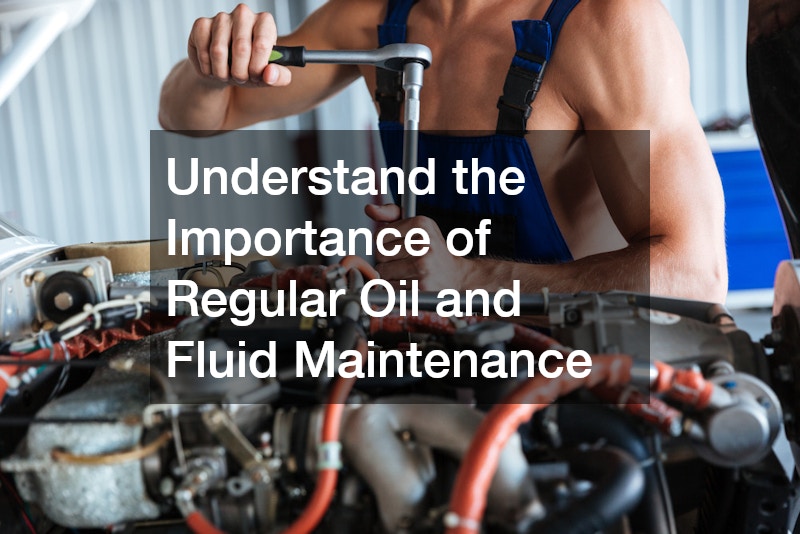
One of the most critical parts of any service visit involves maintaining the essential fluids that keep your vehicle running smoothly. An oil change is often the most familiar service, but it’s only one piece of the puzzle. A full fluid change schedule includes several systems that are just as important, each working together to support overall performance and efficiency.
Fluids play a vital role in lubrication, cooling, and hydraulic function. Clean oil reduces friction between moving engine parts, while coolant regulates temperature to prevent overheating. Transmission and power steering fluids ensure smooth operation of complex systems, and brake fluid enables responsive stopping power. When these fluids degrade, become contaminated, or drop below proper levels, your vehicle has to work harder, which can lead to premature wear and reduced fuel efficiency.
Know When It’s Time to Replace Essential Fluids
While many drivers follow mileage-based intervals, it’s also important to consider driving conditions. Frequent short trips, heavy traffic, towing, and extreme temperatures can all accelerate fluid breakdown. In these conditions, fluids may lose effectiveness much sooner than expected.
During your visit, ask whether your driving habits require more frequent servicing. You can also request visual checks of fluid condition—such as color, consistency, and debris—to better understand their current state. This helps you avoid overextending the life of critical fluids and reduces the risk of costly damage.
Request a Breakdown of All Fluid Services Performed
A thorough service should include checks on brake fluid, coolant, transmission fluid, and power steering fluid. Ask for a detailed explanation of what was replaced or topped off and why, including the type and quality of fluids used.
Understanding what’s being done to your vehicle builds trust and ensures you’re not paying for unnecessary services. It also helps you stay on top of future maintenance needs by giving you a clear timeline for your next service.
Make Sure Your Braking System Is Fully Evaluated
Your braking system is one of the most important safety features in your vehicle, so it should never be overlooked during a service visit. Technicians should inspect the brakes carefully, including pads, rotors, and calipers, to ensure everything is functioning properly.
Even if your vehicle seems to stop normally, wear and tear can occur gradually. Catching issues early can prevent more expensive repairs and reduce the risk of accidents.
Ask for Measurements on Brake Pad and Rotor Wear
Don’t hesitate to ask for exact measurements. Knowing how much life is left in your brake pads and rotors gives you a clearer picture of when replacements will be needed.
This information allows you to plan ahead rather than being caught off guard by sudden repairs.
Test Brake Performance Before Leaving the Shop
After your service is complete, take a short test drive. Pay attention to how the vehicle responds when you apply pressure to the pedal.
If you notice squeaking, grinding, or a soft pedal feel, return to the shop immediately. Addressing issues right away ensures your safety and prevents further damage.
Ensure Proper Tire Care and Alignment Checks
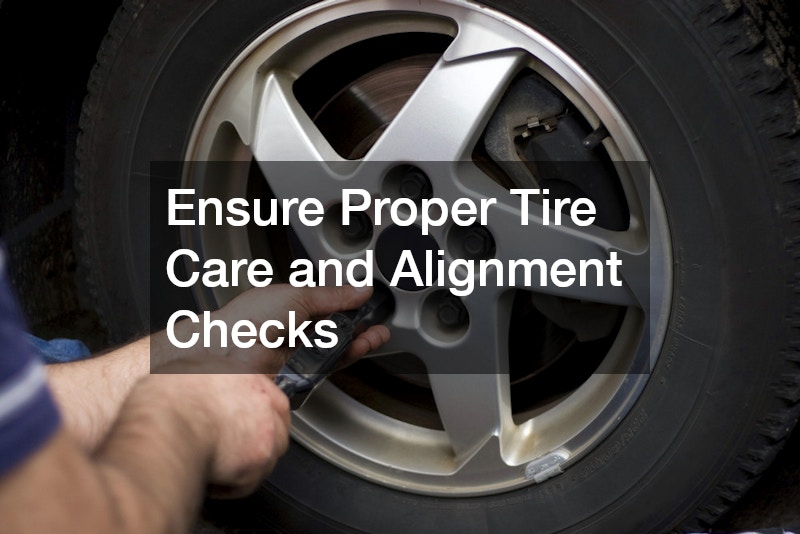
Your vehicle’s handling, fuel efficiency, and safety all depend heavily on the condition of your tires. During a full service visit, technicians should inspect them for wear, damage, and proper inflation. This includes checking for cracks, bulges, embedded debris, and slow leaks that may not be obvious during daily driving. Maintaining correct air pressure is especially important, as underinflated or overinflated tires can reduce fuel efficiency, cause uneven wear, and increase the risk of a blowout.
Wheel alignments are also a critical part of this process. Misalignment can cause uneven wear and negatively affect steering control, making your vehicle harder to handle. Even small alignment issues can develop over time from potholes, curbs, or normal driving conditions, so regular checks help prevent long-term damage.
Check Tire Tread Depth and Wear Patterns
Tread depth is a key indicator of tire health. Low tread reduces traction, especially in wet or slippery conditions, increasing stopping distance and the likelihood of hydroplaning. Many technicians use tools to measure tread depth accurately, but you can also ask for a visual demonstration to better understand your tire condition.
Uneven wear patterns can signal alignment issues, suspension problems, or improper inflation. Identifying these patterns early helps you address the root cause rather than just replacing the tires prematurely.
Confirm Alignment and Balancing Are Addressed
If your vehicle pulls to one side or your steering wheel feels off-center, alignment may be needed. Proper alignment ensures even tire wear and improves overall driving stability, especially at higher speeds.
Balancing is equally important, as it prevents vibrations and ensures a smoother ride. When wheels are unbalanced, it can lead to premature wear on suspension components. Together, these services help extend the life of your tires and enhance safety.
Get Clear Recommendations from a Trusted Car Repair Shop

After the inspection and initial services are complete, you should receive recommendations for additional work. A reputable car repair shop will clearly separate urgent repairs from routine maintenance suggestions.
This transparency is crucial for building trust and helping you make informed decisions about your vehicle.
Ask for Priority vs. Optional Repairs
Not all recommended services need to be done immediately. Ask which repairs are critical and which can be scheduled for a later date.
This allows you to manage your budget effectively while still addressing important issues in a timely manner.
Request Written Estimates Before Approving Work
Always ask for a written estimate before agreeing to any additional work. This document should include parts, labor, and any applicable fees.
Having everything in writing protects you from unexpected costs and gives you the opportunity to compare options if needed.
Know When Specialized Repair Services Are Necessary
Sometimes, a routine visit reveals more complex issues that require specialized repair services. These situations often involve deeper mechanical problems that go beyond standard maintenance.
Understanding when your vehicle needs advanced attention can help you act quickly and avoid more severe damage.
Identify Early Warning Signs of Engine Trouble
Issues with the car engine can manifest in several ways, including reduced power, unusual noises, or warning lights. Ignoring these signs can lead to more extensive and expensive repairs.
If your technician recommends further diagnostics, it’s best to proceed sooner rather than later to prevent the problem from escalating.
Understand the Scope of Advanced Repair Work
Specialized services may involve detailed diagnostics, part replacements, or system overhauls. Ask about the expected timeline and cost so you can plan accordingly.
Clear communication ensures you know exactly what’s being done and why, giving you confidence in the process.
Ask About Cosmetic and Structural Concerns Early

While mechanical performance is a priority, cosmetic and structural issues should not be ignored. Damage to your vehicle’s exterior can lead to long-term problems if left unaddressed.
An auto body shop can help restore both the appearance and integrity of your vehicle, especially after minor accidents or wear and tear.
Address Minor Damage Before It Gets Worse
Small dents, scratches, and paint chips may seem insignificant, but they can expose your vehicle to rust and corrosion over time.
Taking care of these issues early helps maintain your car’s value and prevents more extensive repairs in the future.
Coordinate Mechanical and Body Work Efficiently
If your vehicle requires both mechanical and cosmetic repairs, try to schedule them together when possible. This minimizes downtime and ensures all issues are addressed in one visit.
Coordinating services also allows technicians to identify any underlying problems that may not be immediately visible.
Review Your Service Report Before You Leave
Before you drive away, take time to carefully review the service report provided by the auto service center. This document serves as a detailed record of everything completed during your visit, along with notes about your vehicle’s current condition and any recommended follow-up work. Treat it as more than just a receipt—it’s a valuable reference for tracking performance and planning future maintenance.
A thorough review helps ensure that all requested work was completed correctly and that nothing was overlooked. It also gives you an opportunity to verify that any recommendations, including potential car engine repair services, are clearly explained and justified. Taking a few extra minutes here can prevent confusion later and help you stay organized with your vehicle’s maintenance history.
Go Over Completed Work Line by Line
Carefully examine each line item listed in the report. Confirm that all approved services were performed and that the pricing matches the estimate you were given before the work began. Pay attention to both parts and labor charges, as well as any additional fees that may have been included.
If something seems unclear—such as a recommended repair or diagnostic note—ask for a detailed explanation before leaving. A trustworthy shop will take the time to walk you through the report so you fully understand what was done and why it matters.
Keep Records for Future Maintenance Planning
Maintaining a detailed service history is essential for tracking your vehicle’s condition over time. Keeping organized records allows you to monitor patterns, anticipate upcoming maintenance needs, and avoid missing important service intervals.
These records are also especially useful if larger repairs are needed later, as they provide context for technicians evaluating your vehicle. In addition, a well-documented history can increase resale value by showing that the car has been properly maintained. Staying informed and organized ultimately helps you make smarter decisions and keep your vehicle running at its best.
Make Every Service Visit Work in Your Favor
A full service visit is an opportunity to take control of your vehicle’s health rather than leaving it to chance. By understanding each step of the process—from inspection to final review—you can communicate more effectively, avoid unnecessary costs, and ensure your car remains safe and reliable.
The more informed you are, the better equipped you’ll be to make confident decisions about maintenance and repairs. Over time, this proactive approach not only extends the life of your vehicle but also gives you peace of mind every time you get behind the wheel.